Remembering Sam Kieth: The Visionary Creator of The Maxx Who Redefined Comic Book Art

A heartfelt tribute to Sam Kieth, the groundbreaking artist whose surreal storytelling and unforgettable characters changed the landscape of modern comics.
The comic book world has lost one of its most distinctive storytellers with the passing of Sam Kieth. Known for his unconventional artwork and deeply emotional storytelling, Kieth carved a unique space in the industry that few artists could replicate.
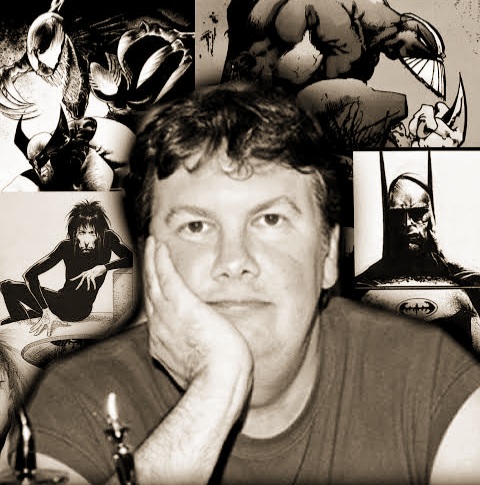
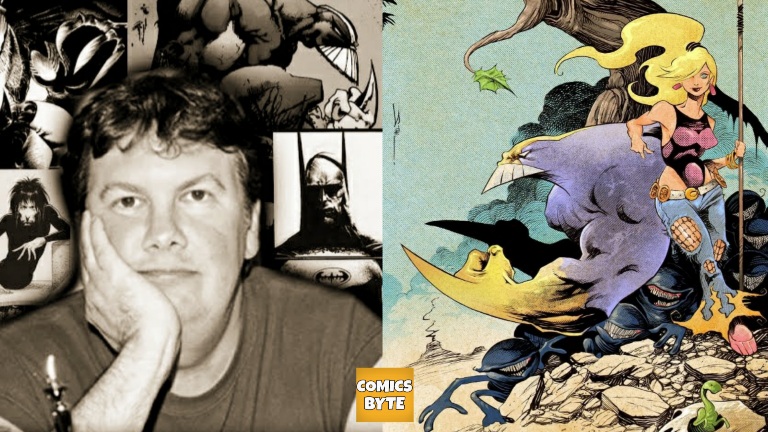
His work stood apart from the traditional superhero aesthetic. Instead of perfect anatomy and polished panels, Kieth embraced distortion, mood and surreal imagery. The result was a visual storytelling style that felt raw, expressive and intensely personal.
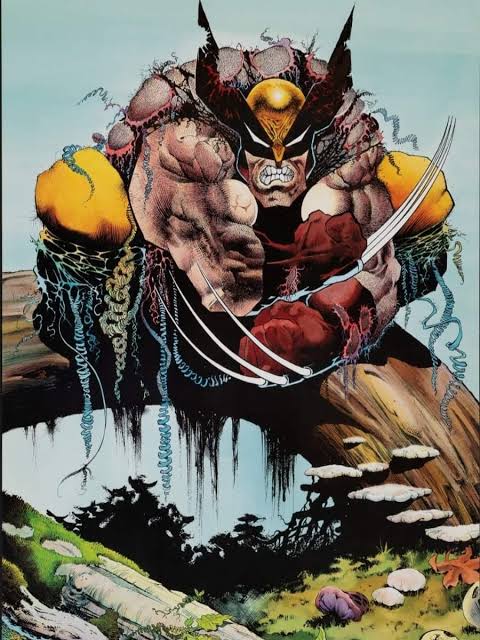
For readers who experienced his work in the 1990s, Sam Kieth represented something rare, an artist willing to experiment and challenge what comic books could look like.
The Early Sandman Legacy
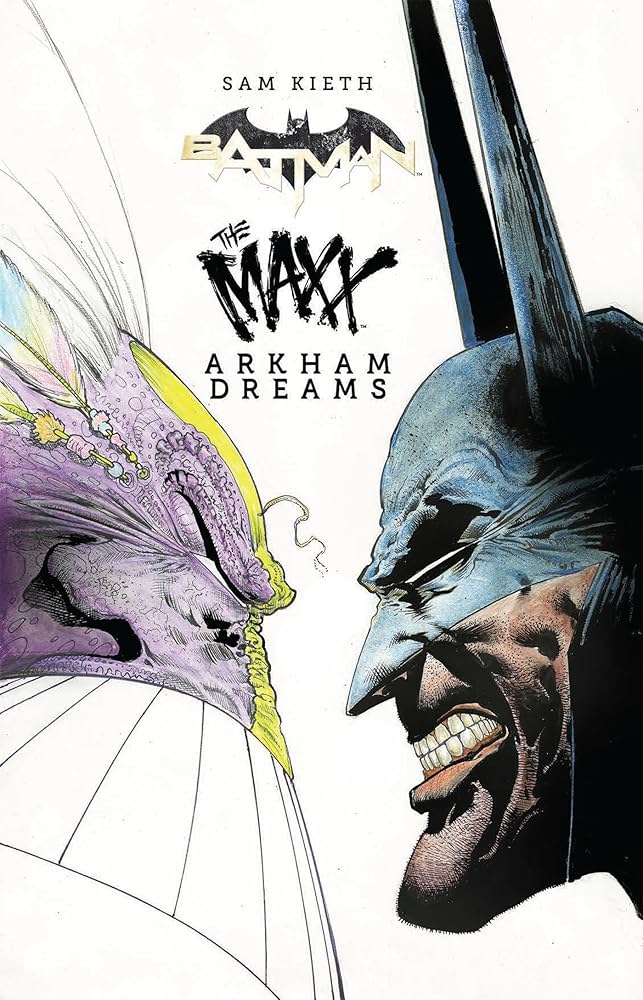
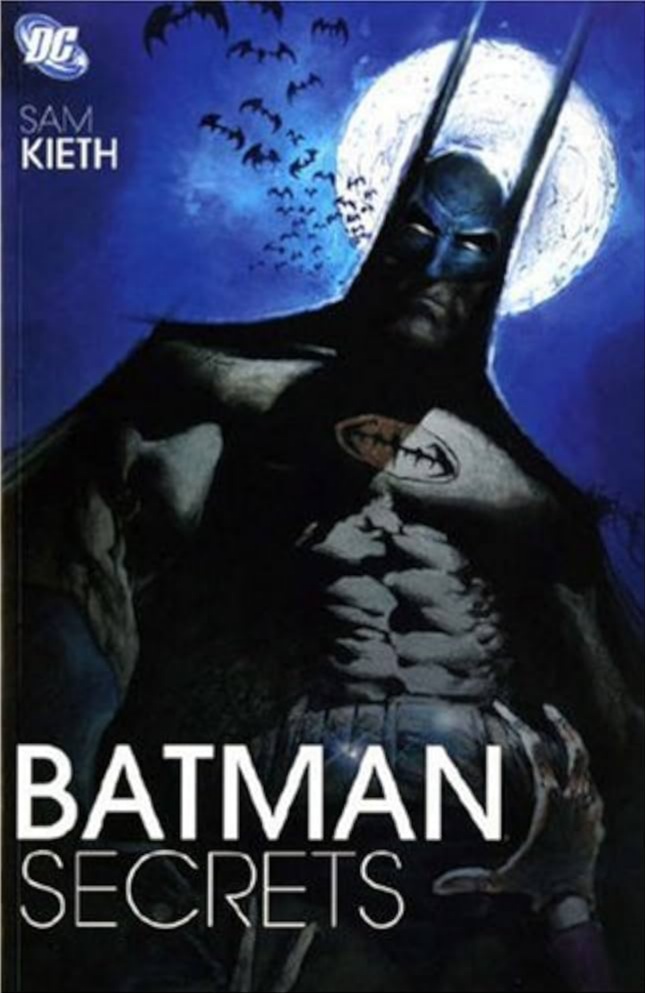
Many readers were first introduced to Kieth’s art through the early issues of The Sandman, written by Neil Gaiman. Later he worked on legendary character ‘Batman’ as well dipicting his unique art style.
His pencils helped establish the haunting and atmospheric tone of the series during its opening arc Preludes and Nocturnes. The visuals felt eerie, dreamlike, and perfectly suited to the mythological storytelling that would later make The Sandman a landmark title for DC Comics.
Though Kieth’s time on the series was brief, his contribution helped shape the early identity of one of the most influential comics ever published.
The Maxx – A Cult Classic
If there is one creation that defines Sam Kieth’s legacy, it is undoubtedly – “The Maxx”.
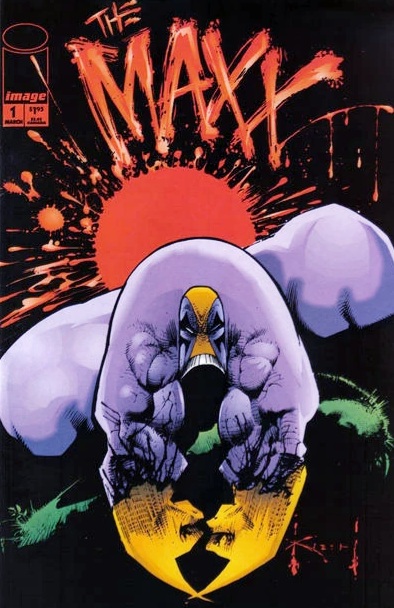
Published by Image Comics in 1993, the series told the story of a mysterious homeless man who believed he was a powerful hero in a fantasy realm known as the Outback.
But beneath the surreal concept lay a deeply emotional exploration of trauma, identity and reality. The comic blended psychological storytelling with fantasy elements in a way that felt both strange and profoundly human.
The Maxx quickly gained cult status among readers and later expanded its reach through an animated adaptation on MTV in the mid-1990s.
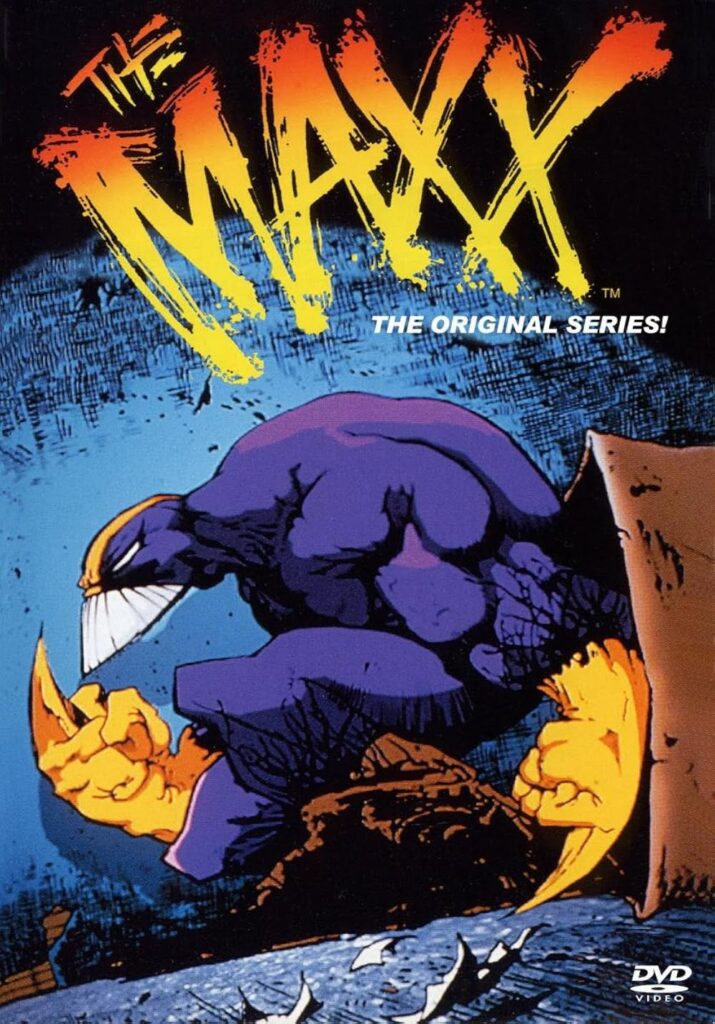
Even today, the series is remembered as one of the most daring and experimental titles from the early Image Comics era.
A Style That Broke the Rules
What truly set Sam Kieth apart was his artistic voice.
His characters often appeared stretched, twisted, or exaggerated not as a mistake, but as a deliberate storytelling choice. Emotions were amplified through body language, shadows, and unusual panel compositions.
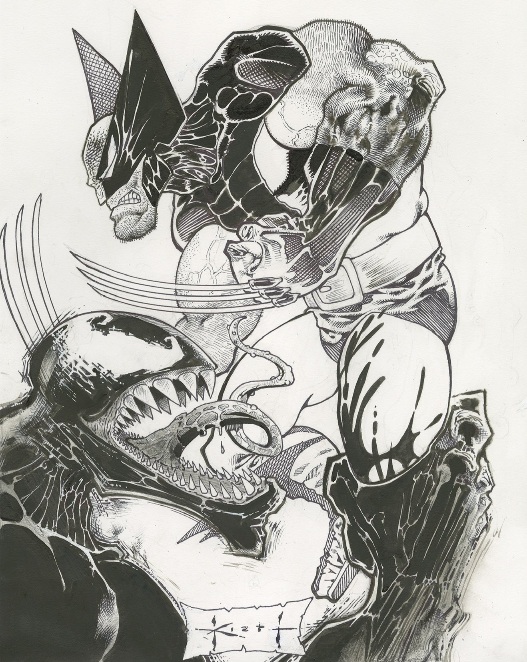
Kieth’s pages often felt like moving paintings rather than conventional comic panels. This approach inspired many later artists who sought to push the medium beyond rigid superhero aesthetics.
He also worked on several memorable titles across major publishers, including Batman, Hulk, Wolverine, and creator-owned projects that reflected his passion for experimental storytelling.
A Legacy That Will Endure
For fans and creators alike, Sam Kieth represented artistic courage.
He proved that comics could be strange, poetic, psychological and deeply personal, all at the same time. His work encouraged artists to take risks and explore storytelling in unconventional ways.
While the comic book industry continues to evolve, the influence of Sam Kieth’s imagination will remain visible in the creators who dare to tell stories differently.
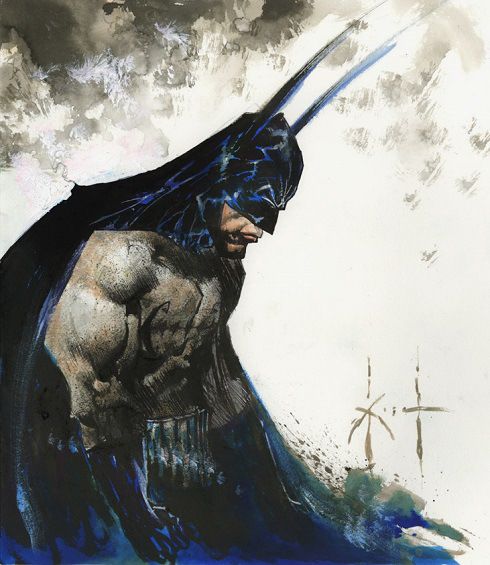
Today, readers around the world remember him not just for the characters he created, but for the creative freedom he championed.
Rest in peace, Sam Kieth.
Your stories, your art and your vision will never be forgotten. Comics Byte! 💐🙏🏻

Check Sam’s Artwork & Comics on Amazon: Batman/The Maxx: Arkham Dream