
How to Start Reading Comics: The Absolute Beginner’s Guide

Starting comic books requires avoiding the continuity trap by focusing on creative runs and standalone story arcs rather than starting at issue number one. Beginners can easily enter the medium through acclaimed character entry points like Batman: Year One or explore diverse indie genres using digital platforms and local libraries. You can read the full guide and get started on your comic journey below.

If you have ever walked into a comic book shop or browsed a digital comic app, you have probably felt instantly overwhelmed. With over 80 years of history, thousands of issues, and confusing alternate universes, knowing where to buy your very first book feels impossible.
This guide removes all the guesswork. You do not need to read thousands of back issues to understand what is happening today. Here is the foolproof, step-by-step roadmap to starting your comic book journey without getting lost.
1. The Golden Rule: Don’t Start at Issue #1
The biggest mistake every beginner makes is trying to find The Amazing Spider-Man #1 or Action Comics #1 from the 1930s or 1960s. These vintage issues are incredibly expensive, hard to find, and written for an entirely different generation of readers.

Mainstream comic books do not work like traditional novels. Instead of one continuous story, they are broken down into two distinct concepts:
- Creative Runs: Every few years, a new writer and artist team takes over a character. They bring a fresh story, new villains and a clean slate. The first issue of a new writer’s run is the perfect place for a beginner to jump in. Examples are DC’s current Absolute Universe and Marvel’s Ultimate Universe.
- Story Arcs: These are self-contained stories within a larger series that usually last between 4 to 6 issues. Think of them like a single season of a television show. You only need to know the basic premise of the hero to enjoy them. Examples like Infinity Gauntlet or Secret Wars.
2. The Best Character Entry Points for Beginners

If you want to read about your favorite superheroes from the movies, do not worry about the decades of background lore. Start with these highly acclaimed, standalone story arcs that require absolutely zero prior knowledge:
| Character / Hero | The Best Entry Point Comic | Format | Why It Works for Beginners |
|---|---|---|---|
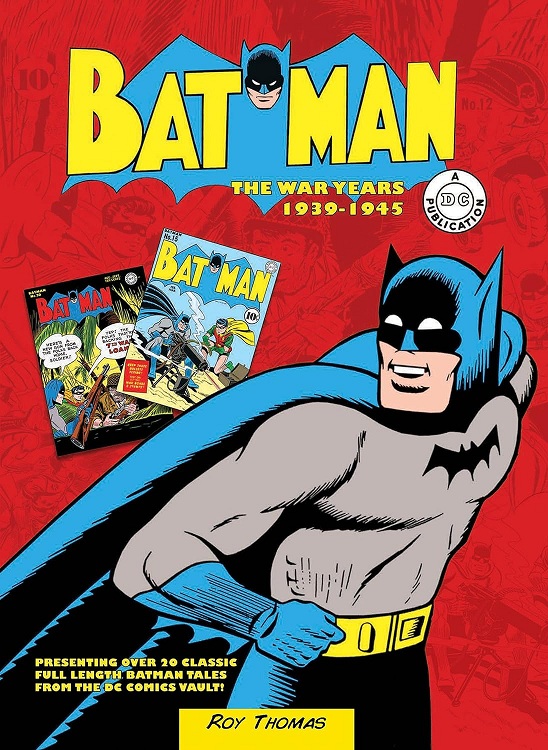
| Batman | Batman: Year One | Graphic Novel | A gritty, realistic origin story focusing on Bruce Wayne’s first year as a crimefighter. |
| Spider-Man | Ultimate Spider-Man (Vol. 1) | Trade Paperback | A modern, streamlined re-imagining of Peter Parker’s high school years from scratch. |
| Superman | Superman: All-Star Superman | Graphic Novel | A beautiful, emotional, standalone adventure that captures the true heroic essence of the character. |
| The Avengers | Avengers: Disassembled | Event Comic | The explosive turning point that launched the modern era of Marvel team dynamics. |
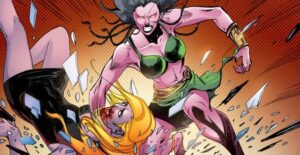
| Wonder Woman | Wonder Woman: Blood (New 52) | Trade Paperback | A dark, action-packed take heavily rooted in Greek mythology and modern fantasy. |
3. Non-Superhero Comics for Every Genre
Comic books are a medium, not a genre. If you do not care about capes, costumes or superpowers, the world of independent (indie) comic books offers some of the best storytelling in modern fiction.
You can easily find a graphic novel that matches your favorite television or movie genres:
- If you love Crime Thrillers: Read Criminal by Ed Brubaker. It is a gritty, realistic look at neo-noir heists, corrupt cops, and underworld betrayal.
- If you love Sci-Fi & Space Operas: Read Saga by Brian K. Vaughan. Often described as Star Wars meets Game of Thrones, it follows two soldiers from warring alien races trying to raise their child in a hostile galaxy.
- If you love Dark Fantasy: Read The Sandman by Neil Gaiman. A massive epic about Morpheus, the King of Dreams, rebuilding his broken realm.
- If you love Zombie Horror: Read The Walking Dead by Robert Kirkman. It offers a much deeper, more intense character study than the famous television adaptation.

4. Understanding the Formats: Single Issues vs. Paperbacks
When you look for comics online or in a store, you will see the same stories sold in different physical shapes. Knowing the terminology will save you money:
- Single Issues (“Floppies”): These are the thin, magazine-like comic books released every month. They contain roughly 22 to 32 pages of a single chapter, include advertisements and are mostly for hardcore fans who want the story immediately.
- Trade Paperbacks (TPBs): This is the best option for beginners. Publishers collect 5 to 7 single issues and bind them together into a high-quality book. It gives you a complete, uninterrupted story arc for a much lower price.
- Omnibuses: Massive, heavy hardcover books that collect 30 to 50 issues of a writer’s entire multi-year run. These are beautiful collector’s items but can be expensive and heavy to read.
5. Where to Read: Physical vs. Digital
You have two great pathways to choose from depending on your budget and how you prefer to read:
Going Physical
Visiting a local comic book shop is an experience in itself. Shop owners and employees are incredibly passionate and love giving tailored recommendations to newcomers. You can use online tools like the Comic Shop Locator to find the closest independent storefront near you.
Going Digital
If you prefer reading on a tablet or phone, digital subscriptions are incredibly cost-effective. They function exactly like the “Netflix for comic books”:
- Marvel Unlimited: Gives you instant access to over 30,000 classic and modern Marvel comics.
- DC Universe Infinite: The ultimate digital vault for Batman, Superman, and Justice League history.
- The Free Option (Libraries): Download apps like Hoopla or Libby. By connecting a local public library card, you can legally borrow and read thousands of premium graphic novels completely free of charge.
Your Next Step
Do not worry about the big picture, timelines, or movie tie-ins. Pick one character or genre from the list above, grab the Trade Paperback or digital copy, and just start reading. Once you finish your first great story arc, your map of the comic book universe will naturally start building itself. Cheers – Comics Byte!!